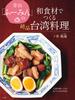
Kyoto cuisine is a popular style of Japanese cuisine. "Kyoto-style simmered dishes" require a combination of techniques in ingredient selection, broth preparation, seasoning, and presentation.
This book carefully explains the fundamentals and evolved forms of traditional Kyoto-style simmered dishes.
Kyoto cuisine is gaining worldwide attention for its high level of skill in seasoning, presentation, seasonal garnishes, and overall visual appeal.
This book focuses on "simmered dishes," which require a series of delicate techniques from ingredient preparation and broth preparation to seasoning to bring out the umami of the ingredients, cooking, and presentation.
Furthermore, the book features demonstrations of traditional Kyoto cuisine fundamentals and modern, evolved forms by currently active chefs.
[Table of Contents]
●Introduction
●The Origins of Kyoto Cuisine
●January (Mutsuki): Sea Bream and Turnip / Herring and Kelp Roll with Pine, Bamboo, and Plum / Taro Sticks / Clam Dumplings / Lily Bulb Potage
●February (Kisaragi): Daikon Radish in a Square and Boiled Beans, Dried Raw Roe Stew / Yellowtail and Daikon Radish Roll / Duck in Kudzu Starch and Shrimp Taro / Quail Dumplings and Kujo Leeks, Millet Gluten / Kumquats and Sweetened Yuzu in a Net-shaped Garnish, Black Beans, Small Pickled Plums and Carrots
●March (Yayoi): Young Bamboo Shoot Stew /Baby octopus and udon noodle simmered with plums and scallions/Baby octopus risoni/Firefly squid simmered with ginger salad/Cherry blossom yogurt
●Uzuki (April): Cherry blossom yam with cherry blossom shrimp sauce/Bamboo shoots and rockfish/Sea bream roe and yuba (tofu skin)/Oilfish and mugwort gluten simmered in Dutch style/Warabi mochi with custard
●Satsuki (May): Kuruma shrimp simmered in kudzu starch and mugwort tofu/Braised pork belly and green plums/Sea bream and bamboo shoots simmered in salt/Butterbur jelly Chocolate with butterbur / Hakata-style conger eel and spring cabbage
●Minazuki (June): Sea bass simmered in kelp / Conger eel rolled in yorō sauce / Softly simmered abalone and kuruma shrimp with mint jelly / Sweetly simmered green plums and new lotus root / Softly simmered octopus and white taro stems with avocado
●Fuzuki (July): Summer duck breast and loofah with grapefruit / Eel tofu / Kuruma shrimp and conger eel roe egg custard with summer vegetables /Three kinds of summer vegetables simmered in broth/Watermelon juice
●Hazuki (August): Herring and eggplant/Winter melon and conger eel puree/Various kinds of octopus simmered in sweet red bean paste/Kamo eggplant and duck dumplings with sesame seeds/Sweet simmered mozuku seaweed and water shield, peach compote
●Nagatsuki (September): Softly simmered abalone and white taro stems/Conger eel and Kamo eggplant/Pork belly and fig dengaku/Eel and winter melon simmered in kudzu/Avocado ice cream Pear Compote
●Kannazuki (October): Conger Eel Simmered in Matsu Sauce / Sweetfish with Roe Simmered in Oil and Dried Figs / Small Turnip Simmered in Hōraku Sauce / Autumn Vegetable Tart / Prawns with Egg Yolk Simmered in Sweet and Sour Sauce with Mushrooms
●Shimotsuki (November): Sweet Sea Bream and Tofu Simmered in Sauce / Shrimp and Taro with Crab Sauce / Autumn Assorted Simmered Dishes / Smoked Koro in Harihari Sauce / Shrimp and Taro Soft Serve, Shrimp and Taro Chocolate
●Shiwasu (December): Crab Hirousu / Pufferfish Simmered in Kudzu Sauce in a Tetchiri Style / Duck Breast and Kumquat Simmered Dish / Yellowtail and Daikon Radish / Apple Rice Bowl
●Konabe Ajireki (Small Hot Pot Flavor Calendar):
[January] Cod and Roe Mizore Nabe (Hot Pot with Grated Radish)
[February] Carp Koku Nabe (Hot Pot with Carp)
[March] Clam and Wakame Seaweed Nabe (Hot Pot with Clams and Wakame Seaweed)
[April] Bracken and Sesame Nabe (Hot Pot with Bracken)
[May] Green Bean Nabe (Hot Pot with Green Peas)
[ June: Sea Bass and Tomato Hot Pot
July: Potato and Octopus Curry Hot Pot
August: Summer Vegetable Oden
September: Pike Conger Hot Pot
October: Beef Cheek and Mushroom Miso Hot Pot
November: Homemade Smoked Salmon Kasu Hot Pot
December: Soft-shelled Turtle and Mozuku Seaweed Hot Pot
● How to Make Basic Broth (Dashi) that Determines the Flavor of a Dish
First Broth / Second Broth / Broth for Simmering / Vegetarian Broth / Seafood Broth / Soft-shelled Turtle Broth / Combined Broth
● Using Dishes to Enhance Dishes
Square Plates and Bowls / Covered Bowls / Footed Dishes / Handled Dishes / Unique Dishes / Glassware / Dishes and Plating Arrangements
● Adding Color to Seasonal Dishes Vegetable peeling and decorative cutting: Pine cone-shaped arrowhead/Masu-shaped radish/Plum-shaped carrot/Petal-shaped lily bulb/Hexagonal (taro)/Hexagonal (green radish)/
Hexagonal (small)/Eggplant twist-peeled/Matsutake mushroom-shaped taro/Chrysanthemum-shaped turnip/Leaf-shaped pumpkin/Pine needle-shaped cucumber/Twisted carrot/Petal-shaped carrot/Garnishes that make dishes look appealing/The role of vegetable peeling, decorative cutting, and garnishes


 No-delivery refund