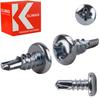
Self-drilling screws for fastening plasterboards to steel substrates
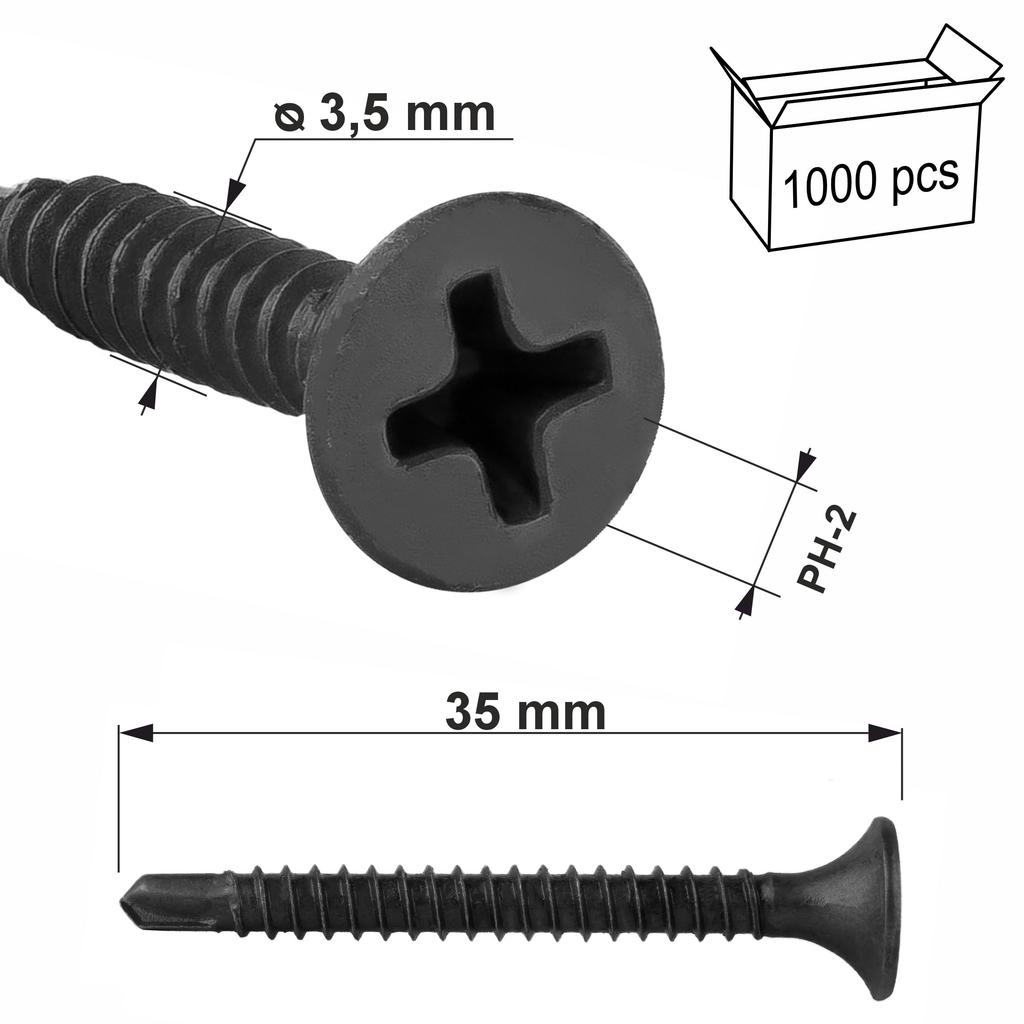
3.5x35 mm 1000 pcs.
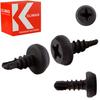
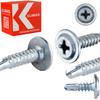
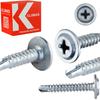
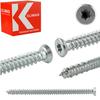
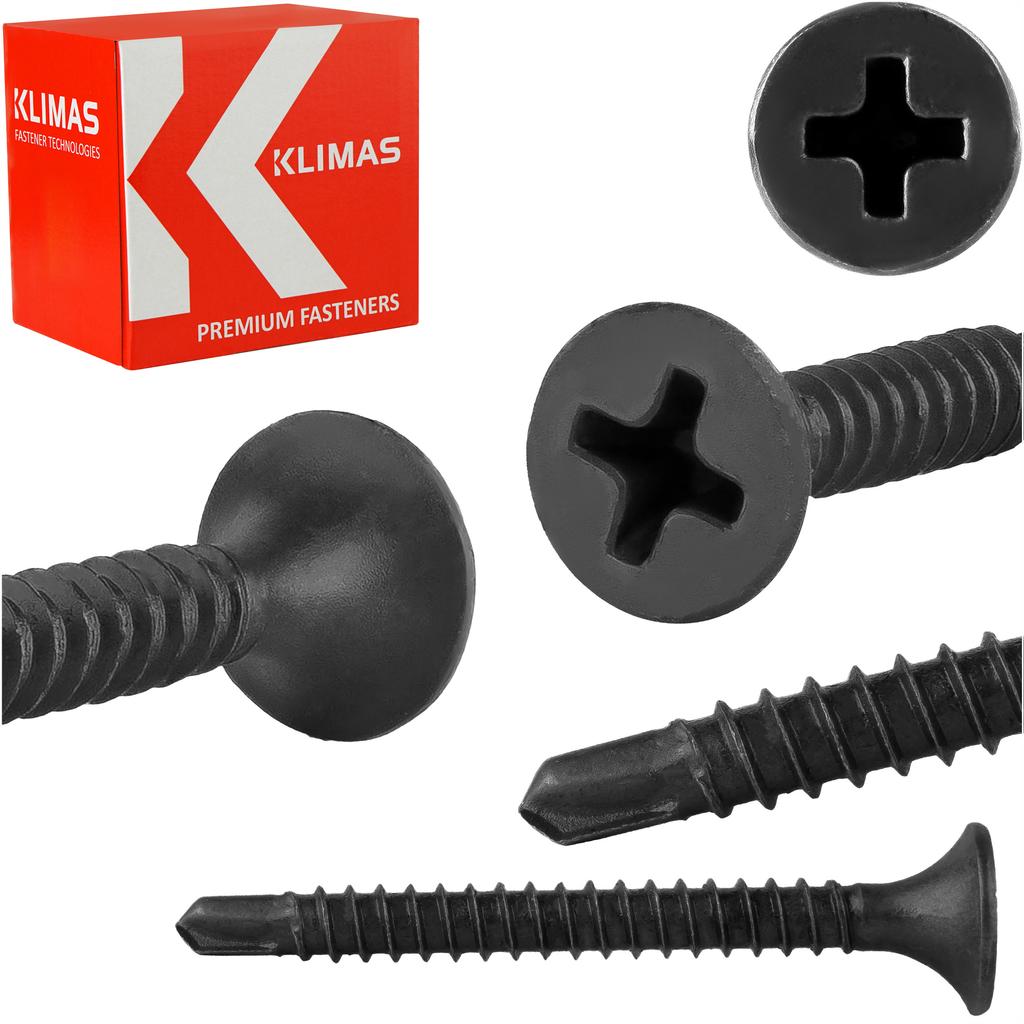
KSSG screws are made of phosphated steel, have a countersunk head with a PH-2 socket, a thread for steel and a self-drilling tip with a drilling capacity of up to 2.5 mm in steel.
Used for fastening plasterboards to steel substrates.
The most important parameters
• Model: KSSG-35035
• Size: 3.5x35 mm
• Packaging: 1000 pcs
• Socket: PH-2
• Drilling capacity in steel up to: 2.5 mm
• Material: low-carbon phosphated steel
Original product of the renowned company KLIMAS Wkręt-Met ®
Features and Benefits
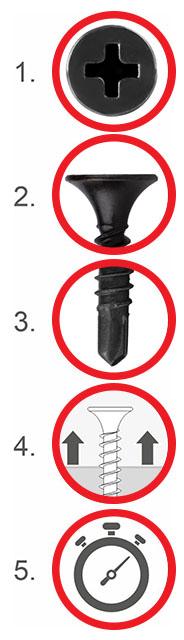
1. PH-2 socket
One of the most common sockets, enables installation using tips with a limiter.
2. Countersunk head
Ensures appropriate recess in the fastened element.
3. Thread for metal and sharp tip
The thread design guarantees secure and durable fastening in steel surfaces. The sharp tip makes it easier to start installation and enables drilling through sheets up to 2 x 1.25 mm thick.
4. Pull-out strength
50% higher pull-out strength than standard requirements.
5. Short screwdriving time
Self-drilling screws for fastening plasterboards are made of carbon steel with a special phosphate coating. The screws have a countersunk flat head, which ensures proper recess in the fastened element, and a thread for steel with a sharp self-drilling tip, which enables drilling through sheets up to 2.50 mm thick.
The screw head has a PH-2 recess, which enables installation using tips with an anchoring depth limiter.
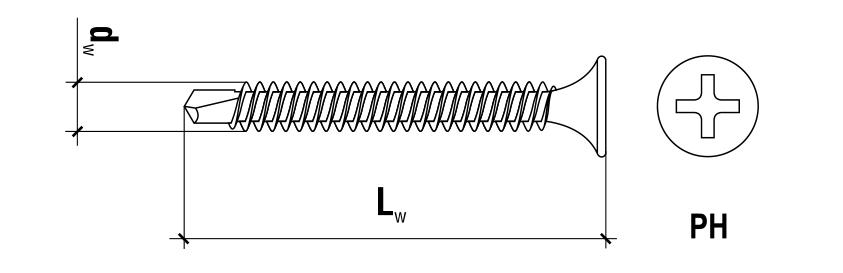
• [ dw ] screw diameter: Ø 3.5 mm
• [ Lw ] screw length: 35mm
• Socket: PH-2
• number of pcs in the package: 1000
• screw material: low carbon steel phosphated
• substrate - steel up to 2.5 mm thick
• screws made in accordance with the standard PN-EN 14566
The screws we offer are characterized by the highest quality and can be safely used in construction. We make every effort to ensure that the products delivered to our contractors are safe and adapted to specific tasks.
1. Only original screws supplied by the manufacturer may be used.
2. Before installation, identify the substrate in which the screw will be installed and compare the loads that the screw will carry with the load-bearing capacity.
3. The appropriate screw length should be selected depending on the thickness of the plasterboard being mounted.
4. The recommended distance from the edge of the substrate (at least 1.5 cm) and the axial distances between screws (no greater than 25 cm) should be maintained.
5. The recommended distance from the edge of the substrate (at least 1.5 cm) and the axial distances between screws (no greater than 25 cm) should be maintained.
6. The screw head should be be slightly recessed into the plasterboard. An incorrectly inserted screw (too shallow, too deep or crooked) should be removed and mounted in a different place.
KLIMAS screws - the most common choice of professionals
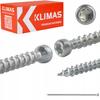
*the tape measure is not part of the auction (it is only used for better presentation of the screws)
Special thread profile minimizes screwdriving time: more than 2 times shorter than standard requirements.





 No-delivery refund