A fusion of tradition and modernity: This reversible yukata obi, crafted using traditional Kiryu weaving techniques, adds a touch of elegance to your Japanese attire.
Comfortable to wear: The linen blend and polyester material offer both breathability and lightness, keeping you comfortable even in the hot summer.
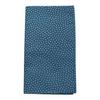
Reversible design: The front features an arrow feather pattern, while the back is plain, allowing you to choose the design that best suits your mood or yukata.
Easy to use for beginners: This half-width obi is easy to tie, so even those who are wearing a yukata for the first time can use it with confidence.
Versatile for various occasions: Can be in a wide range of situations, such as summer festivals, fireworks displays, yukata dates, and traditional Japanese clothing events.
High-quality Japanese-made product: Made from 50% polyester and 50% linen, measuring 360cm in length and 18cm in width, woven in Kiryu, Gunma Prefecture, guaranteeing excellent quality.
Dimensions (approx.): Length 360cm x Width 18cm
Made in Japan (Kiryu weave)
"Kiryu-ori Reversible Yukata Obi (Sash) with Arrow Feather Pattern, Made in Japan"
~A gorgeous and easy-to-tie obi~
This yukata obi (sash) was woven in Kiryu, Gunma Prefecture, a renowned center for textile production.
Ready-to-wear, ready-made garment. Made from 50% polyester and 50% linen, making it easy to care for at home.
We offer six color options: yellow, green, gray, purple, light blue, and rose.
This reversible obi can be on both sides, expanding your coordination options with your yukata.
The look changes depending on how you tie it, making it a great choice for casual outfits.
Since ancient times, there has been a custom of giving long items, such as sashes, as gifts to ward off evil.
Obi (kimono sashes) are perfect not only for personal use but also as gifts for loved ones.
Kiryu is a center of Japanese textile production.
Kiryu, located in southeastern Gunma Prefecture, has been renowned as a textile production center since the Nara period, 1,300 years ago.
It is a major textile production area, particularly known as "Nishijin in the west and Kiryu in the east," producing a large amount of obi fabric and patterned silk crepe.
Historical buildings, such as textile factories with sawtooth roofs, still remain today.
![Reversible Yukata Obi Arrow Feather Pattern Made In Japan [Warakugure] Kiryu-ori (Sash) - - (Light Blue)](https://img.joomcdn.net/8a0fd9d8c2e845ff2d6c4370f7d999c58f44cd21_1024_1024.jpeg)


 No-delivery refund


![[Warakugure] Kiryu-ori Reversible Yukata Obi (Sash) - Arrow Feather Pattern - Made In Japan (Light Blue)](https://img.joomcdn.net/8a0fd9d8c2e845ff2d6c4370f7d999c58f44cd21_100_100.jpeg)
![Kiryu Woven Reversible Yukata Obi Arrow Feathers Made In Japan [Warakugure] (Rose)](https://img.joomcdn.net/cd258579ec4b54d82b237973eee4b64c0159a7b6_100_100.jpeg)
![[Warakugure] Kiryu-ori Affordable Half-Width Obi, Maru Kasumi, Made In Japan, Half-Width Obi (White)](https://img.joomcdn.net/ebac57e5623ba8e8a089c2a8dd49b0b36cc20185_100_100.jpeg)

![[Warakugure] Kiryu-ori Reversible Yukata Obi, Fukure Nadeshiko, Made In Japan (Dark Purple)](https://img.joomcdn.net/07433dd386f4a0244db278e0238bafeadf0f2d53_100_100.jpeg)
![[Kyoto Kimono Yuzen] Reversible Half-Width Obi (Yukata Obi) (Light Purple (Hemp Leaf Pattern))](https://img.joomcdn.net/8ce2ff3ef5d3e65e37a54cd1bb0397320cce39d5_100_100.jpeg)
![[SAKIKU-EN] Made In Japan, Women's Washable Half-Width Obi, Reversible Design, Narrow Obi, Small Bag Obi, Half-Width Obi, Polyester, Stylish, Japanese](https://img.joomcdn.net/c92811f86d59d5ad21081339796b4beb63bea35f_100_72.jpeg)

![[Enjoyable Living] Kiryu-ori Reversible Yukata Obi, Linen-like Border, Made In Japan (Purple)](https://img.joomcdn.net/3973a8f83a67081f0ea965a5c0440f2f1bfcd076_100_100.jpeg)
![Square Obi for Hexagonal Made In W [ROCCA] Kurume-woven Men, Pattern, Kurume, Japan, Reversible,](https://img.joomcdn.net/0b8b872080ec198c1fe89e996e44df503874df98_100_100.jpeg)
![[SAKIKU-EN] Made In Japan Women's Washable Half-Width Obi (Sash) - Reversible Design - Narrow Obi, Small Bag Obi, Half-Width Obi - Polyester - For](https://img.joomcdn.net/41ec95be9c7c3269985c58a7dc878a8df2026b6b_100_75.jpeg)

![Nishikawa Air Breeze Middle OS3605 Imabari Ori Made In Japan Towel Blanket Cotton Single Size 46682 Gray Single Sket(R) 100% [730]](https://img.joomcdn.net/77f82ca5a7207ed9b16aa42eec096b793aa6f6d7_100_100.jpeg)
![Kiryu Woven Reversible Yukata Obi Bulge Nadeshiko Made In Japan [Warakugure] (green)](https://img.joomcdn.net/ca67887977c70ea8c907fb9facabc974be4ab486_100_100.jpeg)