Recommended products: Kokeshi, Sumo goods, Japanese dolls (beauties), Chokin small items, Lucky beckoning cat, Keychains. A wide variety of Japanese souvenirs that foreigners will love, gifts for host families during study abroad or homestays, gifts for overseas business partners, presents for those who have helped during overseas living, and gifts for customers visiting from abroad are available. Kyoto Silk Co., Ltd. supports those staying in homestays, companies expanding overseas, and Japanese individuals active abroad.
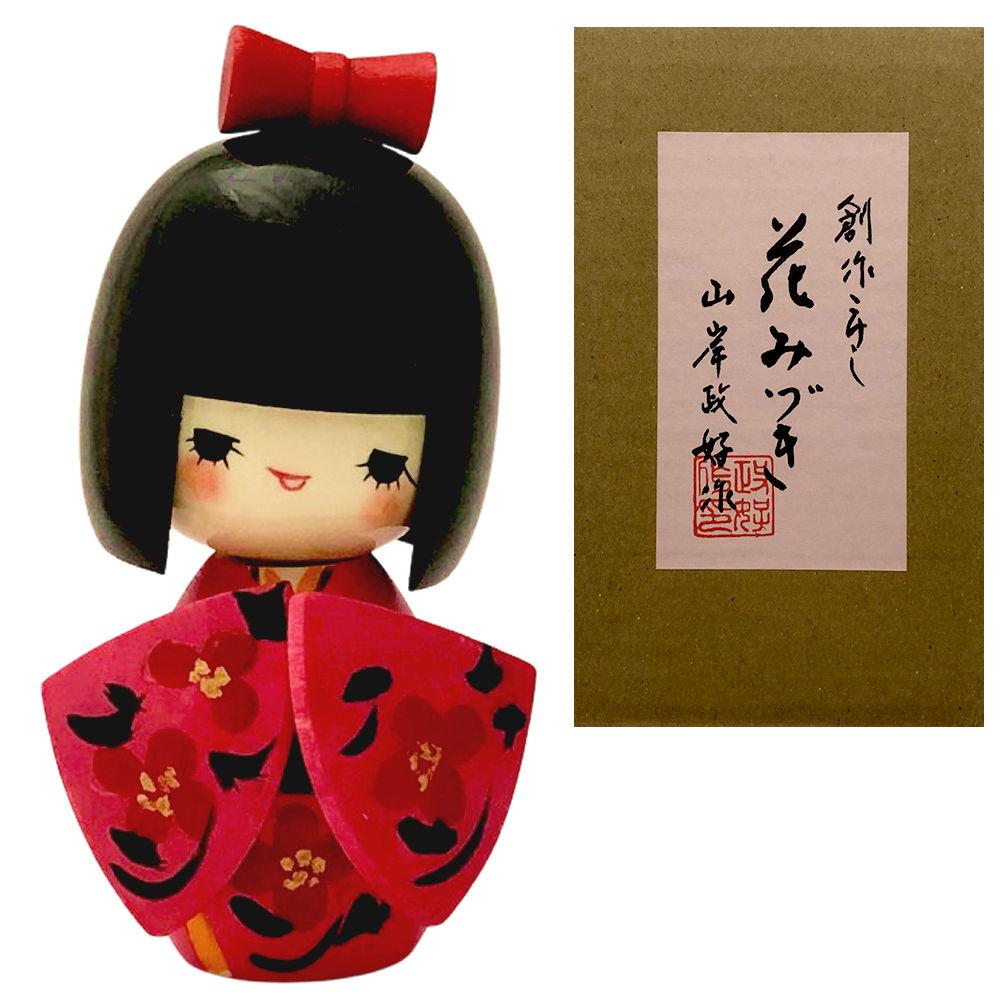
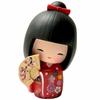
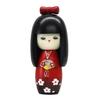
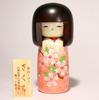
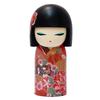
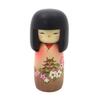
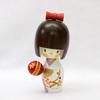
Creative Kokeshi Hanamizuki: A Kokeshi designed with the beauty of the Hanamizuki flower, symbolizing spring. The petals are elegantly depicted, evoking the changing of the seasons. This handmade Kokeshi showcases the craftsmanship and delicate sensibility of artisans. It is perfect not only as a decoration for Japanese-style interiors but also as a special gift. Kokeshi is a traditional Japanese craft that symbolizes beauty and unique culture. Kokeshi dolls are wooden figures with a history dating back to the Edo period. The techniques and traditions passed down since that time are still maintained, with skilled artisans carefully crafting each piece by hand. The Kokeshi, imbued with their skills and passion, is adorned with rich colors and intricate carvings, expressing the image of women dressed in traditional Japanese attire and decorations.
Kokeshi is not only a delightful decoration for shelves and tables but also a cherished gift. As a traditional Japanese craft, Kokeshi adds vibrancy and charm to Japanese-style interiors, allowing recipients to feel the essence of Japanese culture. The warmth of wood and its gentle expression bring comfort. Kokeshi with a very kind and cute face is popular among foreigners. This folk craft doll from Japan is loved worldwide. When displayed in a room, it enhances the Japanese-style decor and creates a soothing atmosphere. Kokeshi changes expression depending on the angle from which it is viewed, so enjoy observing its different expressions from various directions.
The origin of Kokeshi dates back to the Edo period, where it is said to have been created to embody wishes for recovery, abundant harvests, and children's growth. The desire for daily happiness and security remains the same today. Let’s deliver Kokeshi, filled with blessings and encouragement, to loved ones. The etymology of Kokeshi may come from the small dolls called "Kasei Ningyo" that were popular during the Edo period. "Kasei" refers to something very small due to the small size of its seeds, and "K


 No-delivery refund





![A Popular Souvenir from Japan! [Made In Japan] Folk Craft, Handcrafted Item: Kokeshi Doll by Usaburo, Featuring Cherry Blossoms (small Size).](https://img.joomcdn.net/fc7893a39d2338a167db49c9e70a80c88debb539_100_66.jpeg)