Introduction
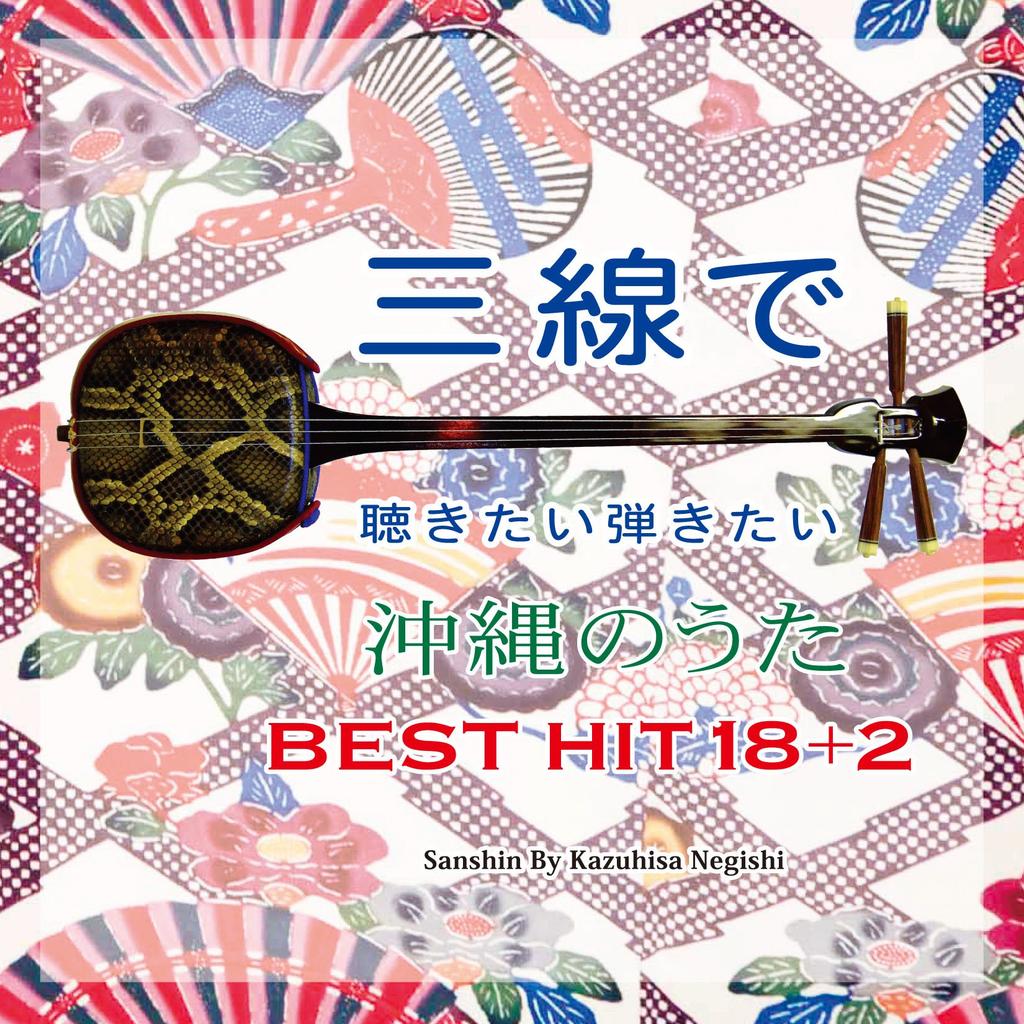
From hits by artists like Rinken Band, BEGIN, Diamantes, and Ne-Nes to folk songs, this definitive album features 18 of Okinawa's most beloved songs, plus two bonus tracks!
■Album Contents
The "Listen and Play on the Sanshin" series, which began releasing in March 2008, is the seventh installment in this collection...
1. Featuring hits by Okinawa's most iconic groups and artists, all performed entirely on the sanshin.
2. Includes Okinawan folk standards such as "Umi-nu Chinbora" and "Tanicha-mae," as well as the Okinawan children's song "Chinnuku Jushii."
3. Includes sheet music for sanshin performance (staff notation with chord notation, kun-kun-shi notation, and TAB notation) (with the exception of track 19, "No Woman No Cry"). Performance tips are also included.
4. Enjoy the emotional performances of sanshin master Kazutoshi Negishi.
Just listening to this album will get you 100% in Okinawa, and playing it will leave you even more satisfied.
■Negishi Kazuhisa Profile
Nickname: Negi / Born January 15, 1978 / Capricorn / Blood Type: A / From Gunma Prefecture.
He picked up the electric bass at age 15 and became fascinated with the joy of music and performing.
He began his professional career as a bassist in his 20s.
Since then, he has developed an interest in various musical genres and instruments, and discovered the sanshin through his musical environment, which often took him to tropical cultural lands. He has since been active as both a bassist and sanshin player.
Main Sanshin Activities: He began playing the sanshin in 2005 and studied under Toru Yonaha.
He was highly praised for transcribing and singing songs from Yonaha's CD album "Kachashi A Go Go," and in 2006, he made a guest appearance at the event of the same name, personally recommended by his teacher.
Aiming to make the diverse know-how he's gained from his diverse musical endeavors more accessible to more people, he opened a music school called "Negi Music Room" in Koenji, Tokyo. One of the school's offerings, the sanshin lesson, focuses on enjoying music as an "instrument that can play anything," and has earned a strong following among those who have taken lessons.
Disc-1
1. Thank You (Rinken Band)
This heartwarming number opens the Rinken Band's debut album.
2. Shimajin no Takara (BEGIN)
A masterpiece with a timeless message.
3. Te-ge (Nene-nes)
This song was included on the Ne-nes' debut album, and the title "te-ge" represents the Okinawan way of life.
4. Sanshin in One Hand (Diamantes)
Like "Shimanin no Takara," this song sings a timeless message.
5. Tancha-mae (Okinawan folk song, kachashi song)
A classic dance song.
6. Higashizaki (Masakichi Kina)
This beautiful song was included on the debut album. Higashizaki is located on Yonaguni Island.
7. Uminu Chinbora (Okinawa folk song)
A representative dance and play song.
8. Ryuka of Peace (Ne-Nes)
This song conveys a message that we need to cherish now more than ever.
9. Danju Kariyushi (Okinawa folk song)
A representative celebratory song.
10. Golden Flower (Ne-Nes)
This timeless classic was also used as the ending theme for Tetsuya Chikushi's "News 23."
11. Kanga Nasa Bushi (Aiko Narube)
This Okinawan folk song is a highly popular karaoke hit.
12. Umi no Koe (Begin)
This is the commercial song for the original au Santaro series.
13. Chinnuku Jushii (Okinawa children's song)
This song was written in the 1960s. Chinnukujuushii means taro porridge.
14. Kana Sando (Maekawa Morikata)
This is another passionate love song that's popular as a karaoke tune.
15. Irayoi Tsukiyohama (Oshima Yasukatsu)
A masterpiece from Oshima Yasukatsu's debut album.
16. Hansui Bushi (Composed by Miyara Nagatsugu)
A classic work song. Written in 1928.
17. Famule Uta (Ara Yukito, Pasha Club)
A masterpiece used as the ending theme for Tetsuya Chikushi's "News 23."
18. Nariyama Ayagu (Miyako Folk Song)
A folk song representative of Miyako Island.
[Bonus Track]
19. No Woman No Cry (A Bob Marley song famously covered by the Ne-Nes)
This Okinawan dialect cover was inspired by the Ne-Nes' producer, Sadao China.
20. Many Rivers To Cross (Jimmy Cliff song. After No Woman, No Cry, this is the perfect song to play on the sanshin!)
Sadao Naname also considered a Jimmy Cliff cover for the Ne-Nes.
*The original artist is listed in parentheses.
Media Reviews and More
The "Sanshin Songs You Want to Hear and Play" Series! This definitive collection features the best 18 of Okinawa's long-loved songs! It features a stellar lineup of classics from Okinawa's most iconic artists, including Rinken Band, Ne-Nes, Shokichi Kina, and BEGIN! (C)RS


 No-delivery refund





![Saori Yuki Best & Best PBB-67 [Special Edition]](https://img.joomcdn.net/f71faf03a131423f32c303e32b0bc7034774fc2b_100_86.jpeg)