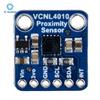
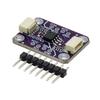
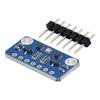
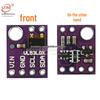
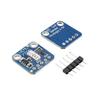
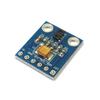
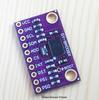
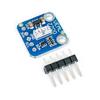
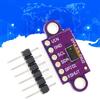
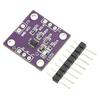
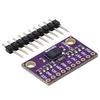
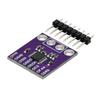
Package : DIY Module
Model Number : VCNL4010
Dissipation Power : ...
Supply Voltage : 5V
Application : Computer
Type : Voltage Regulator
Origin : China
Condition : New
Operating Temperature : -40℃~+80℃
Functions : Electronic Module
Range of application : Switch And Sensor For Arduino STM
Product Description
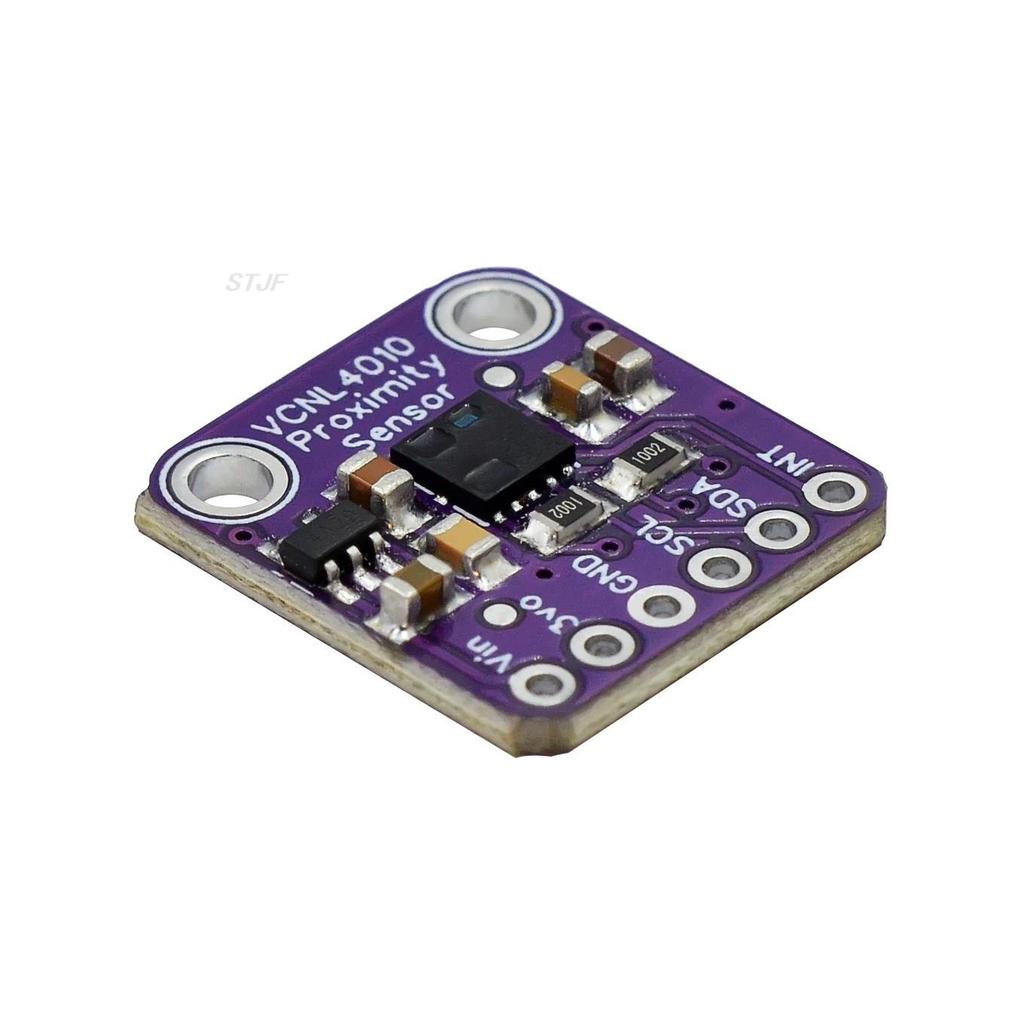
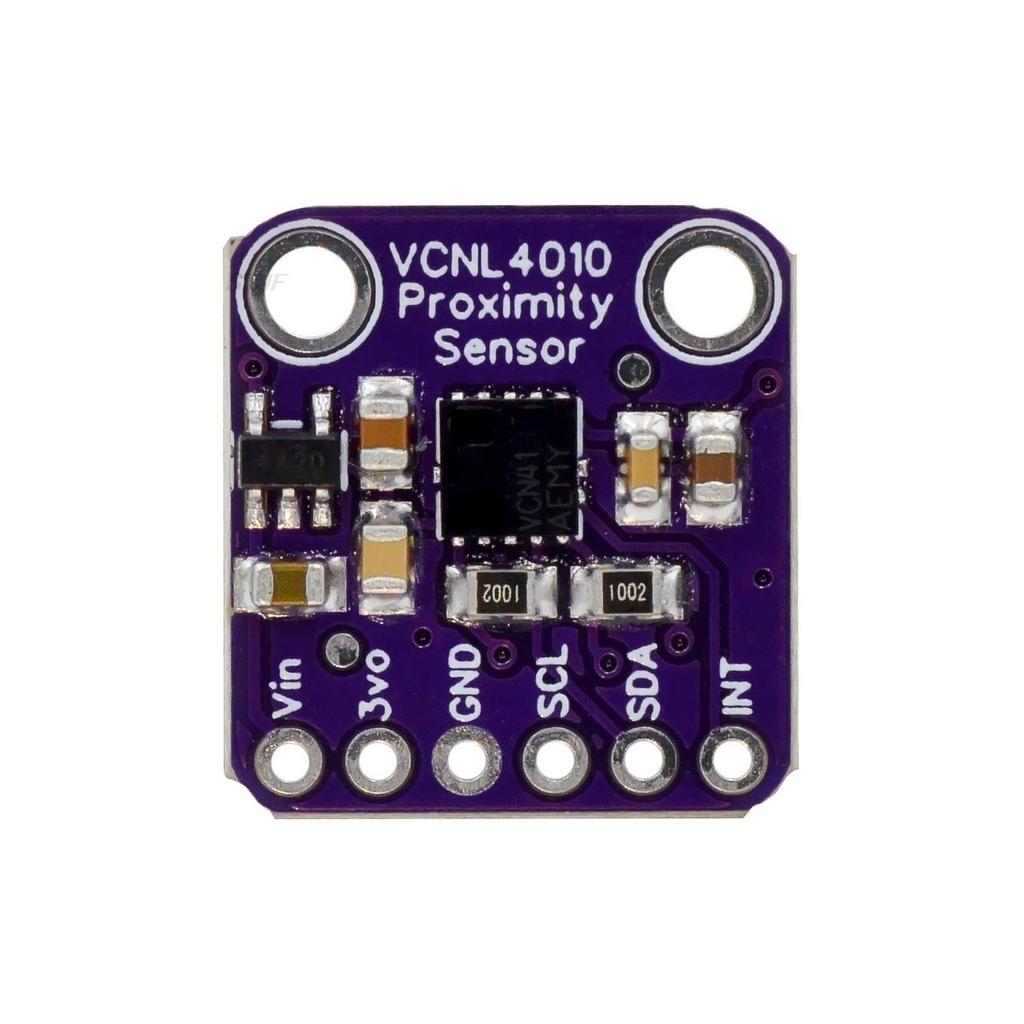
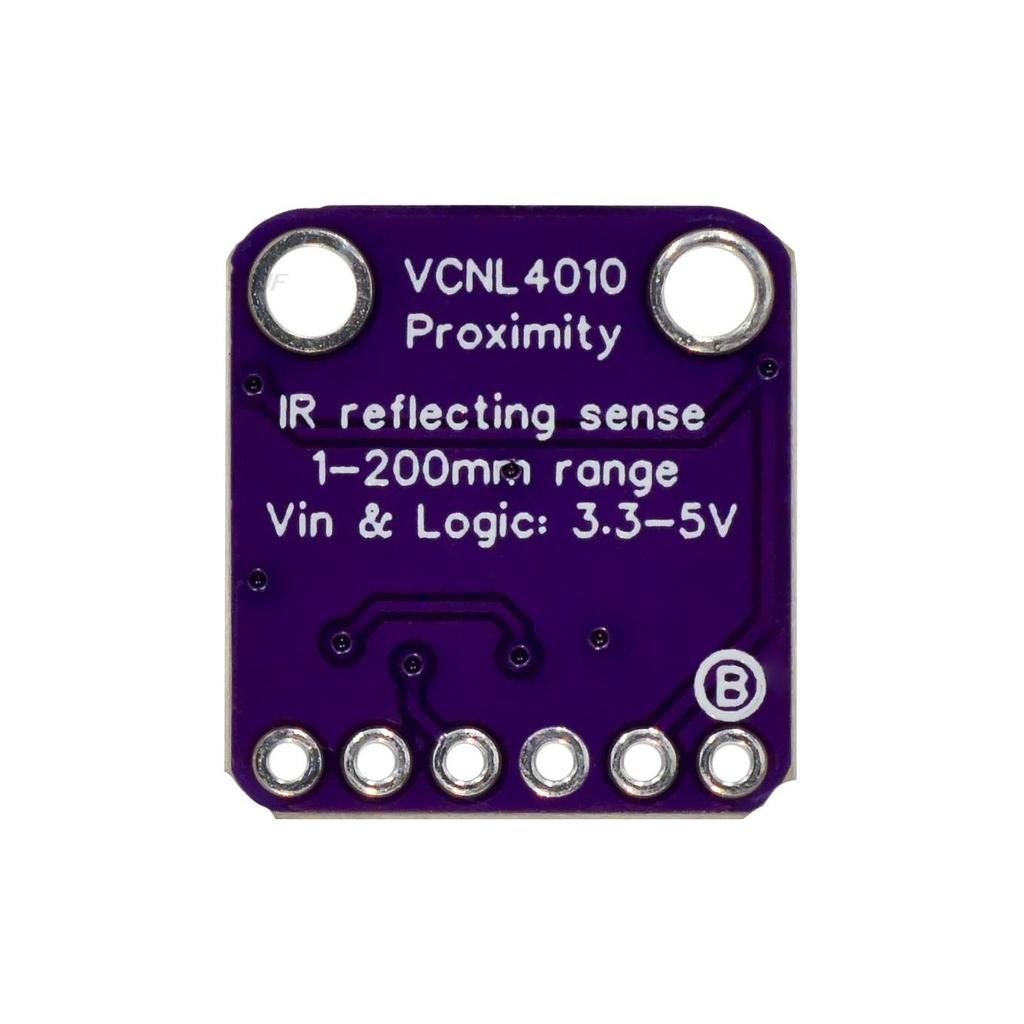
The VCNL4010 sensor is a great way to add a small distance proximity sensor to a microcontroller project. For longer distances (in the centimeter range you can use a SHARPIR distance sensor, but it only works if the object is more than 10cm away. The VCNL4010 is designed for shorter distances up to 200mm (~75"), In our experiments, we found that it works best at a distance of about 10-150mm. This is useful for detecting when the hand moves nearby or before the robot hits a wall. The sensor also has an ambient light sensor built in.
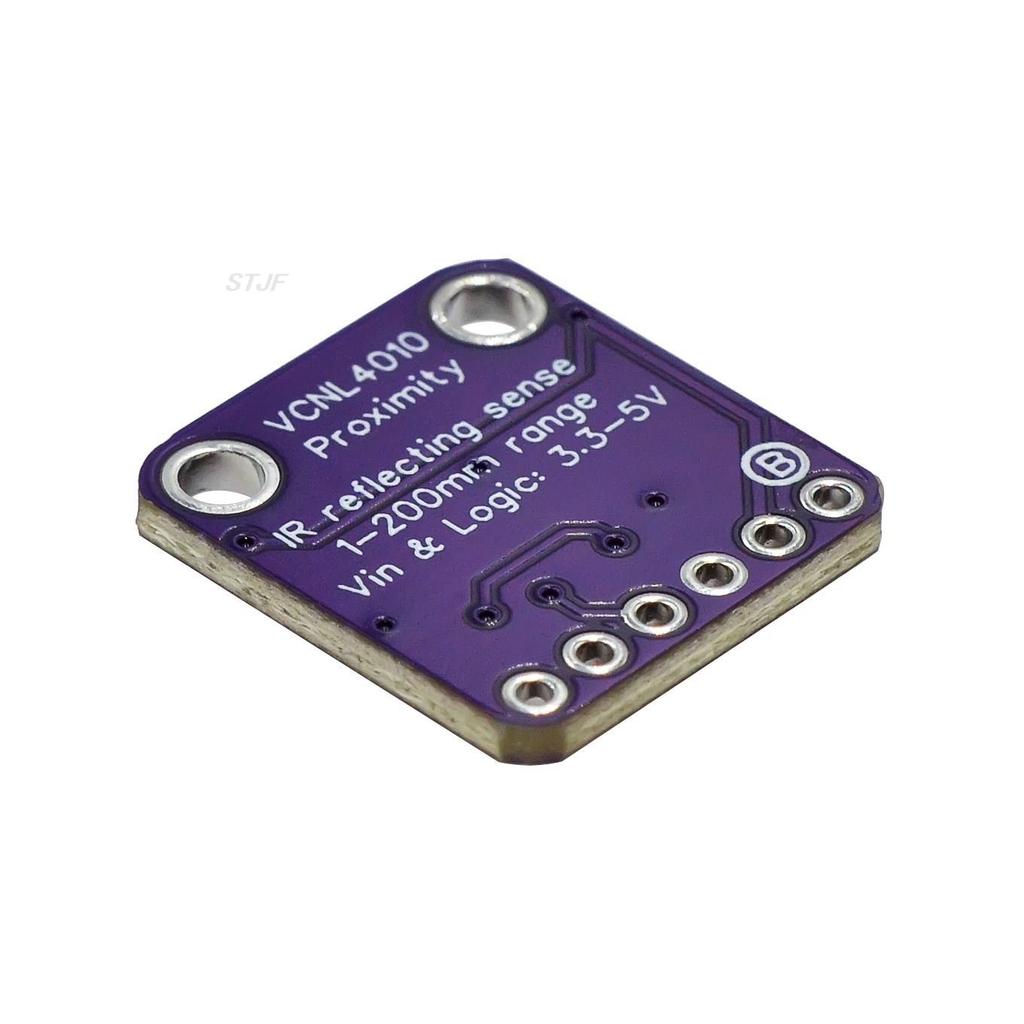
This sensor is easy to use with any i2c capable microcontroller. It's 5V compliant, so you can use it with 33V or 5V logic without damage. There is an onboard 3.3V ultra low dropout regulator so you can power it with 33 to 50V. However, if you can give it 5.0V, which is ideal, since the VIN voltage powers the IRLED, the higher you can give it, the more powerful it will be.
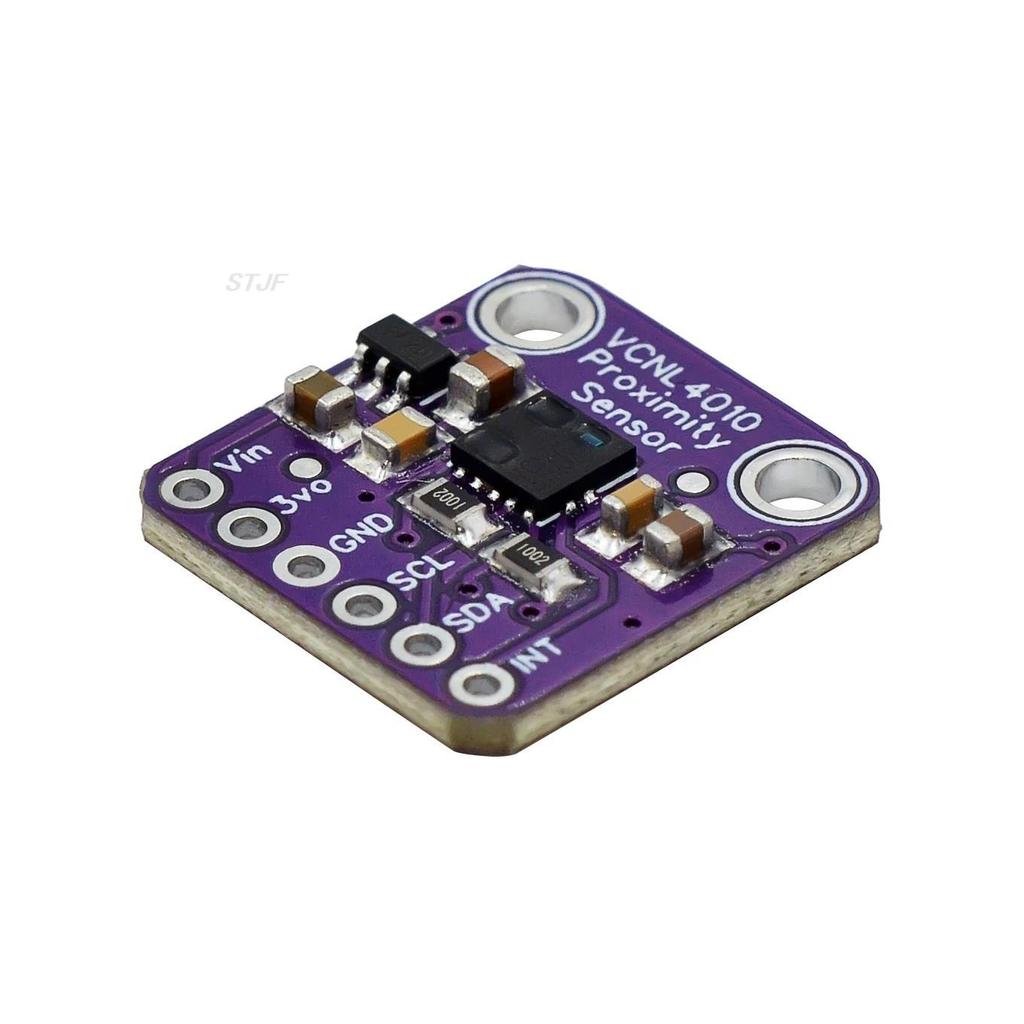
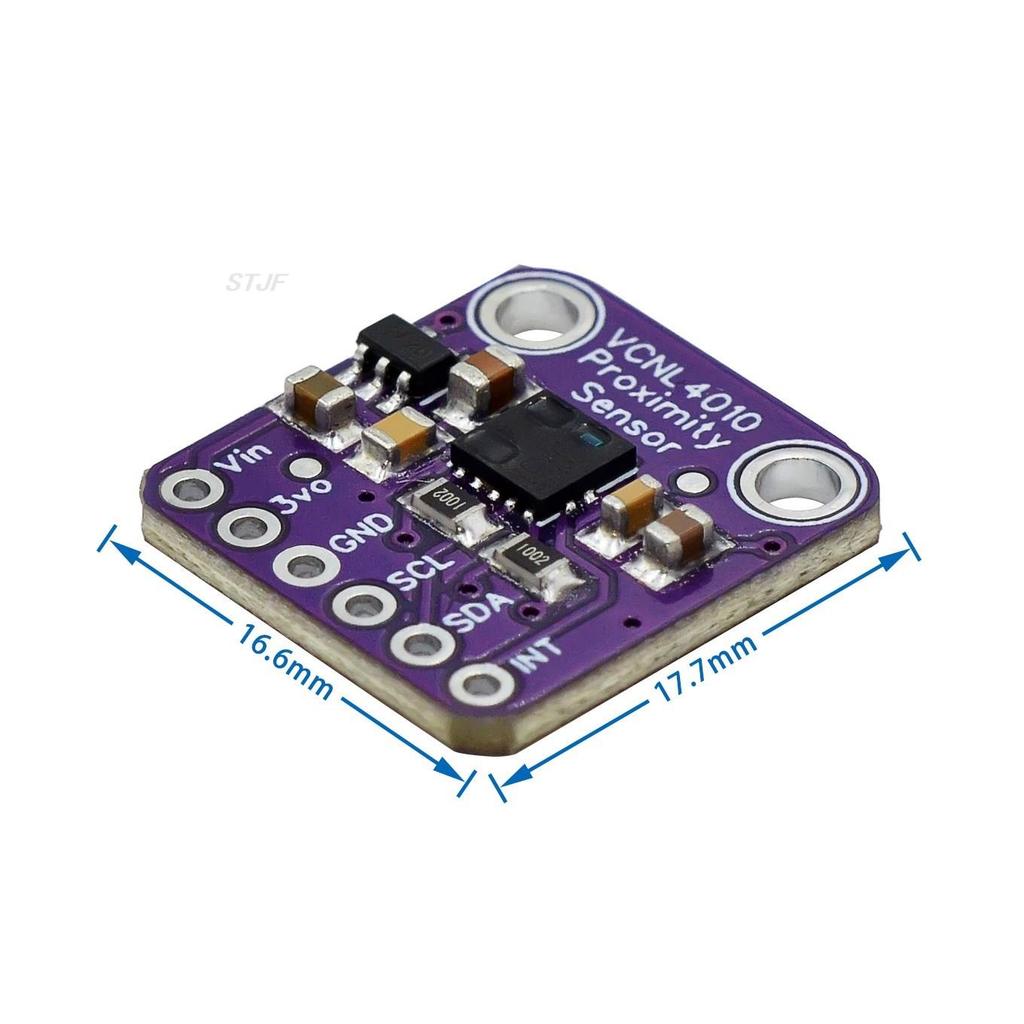
NEW! As of September 23, 2015, we are now releasing this breakout with the updated VCNL4010 - the library has changed and the chip is slightly different as it now supports interrupts. We also made the board more compact. However, the overall proximity function is the same.
This board/chip uses 12C7 bit address 0x13
The line layout is compact and regular, with good electrical insulation and mechanical stability, and can maintain stable performance under different temperature and humidity environments to ensure accuracy and reliability.
In circuit design, carefully planned lines are like precision transportation networks, and lines of different widths and spacings undertake different currents and signals transmission tasks respectively. The key signal lines are impedance matching processing, which greatly reduces signal reflection and attenuation and ensures the stable transmission of high-frequency signals.
All kinds of electronic components are soldered on the circuit board, and the solder joints are full, round, and firm and reliable. Core components like chips are perfectly connected to the circuit board through fine packaging processes to achieve high-speed data processing and interaction.
This circuit board has a wide range of responses in many fields. Whether in the industrial control field that requires extremely high stability or consumer electronics field that pursues extreme performance, it can provide solid guarantees for the stable operation of the equipment with its excellent design and reliable performance, and help various electronic devices play a powerful role.


 No-delivery refund